
The film is so much more than what the trailer leads you to expect. I actually think it was a great decision not to give too much away, because watching everything unfold without knowing what you're really looking at, and then experiencing those moments of realization, is an essential part of the film itself.
The cinematography captures these feelings beautifully. At first, the film has a colder atmosphere, somewhat reminiscent of Yorgos Lanthimos's films. Seeing Digger Rockwell (Tom Cruise) in this setting, wearing a cowboy hat and boots and speaking with a strange Southern accent, made me wonder, "What kind of film are we watching? Where is all of this going?" But as the story unfolds, we begin to understand how the scenes that initially seemed disconnected fit into the larger narrative. Especially in the final moments, as the peculiar world in which the story takes place becomes more clearly defined, the colors, visuals, and details all come together to form a cohesive whole.
I'm trying to write this without giving away any spoilers because I believe that the less you know about the film going in, the more you'll enjoy it. I imagine that's also why the trailer makes it look like an entirely different kind of film. Unfortunately, keeping the film's most intriguing aspects hidden may have contributed to its failure to attract a larger audience and have a strong opening.
Although the world depicted on screen looks very different from our own, the emotions and experiences it evokes feel incredibly true to life. I think a large part of this comes from the film's refusal to portray some people as entirely responsible for everything while presenting others as nothing more than victims. What I mean isn't that everyone is bad or that everyone shares equal responsibility. Rather, it's about showing where society stands in relation to what's happening and how people choose to respond to it. To me, this reflects the world we're living in today remarkably well.
I'm going to talk about my favorite scene next. I don't think it's a major spoiler, but if you'd rather go into the film knowing as little as possible, I'd recommend stopping here.
One of my favorite moments in the entire film comes during Digger's trial. After his final monologue, the crowd completely forgets about him and turns against one another. I'm so glad they chose to write it this way.

A lot of the criticism I've seen about the film revolves around who the real villain is, or whether the film is trying to make us sympathize with predators. But I didn't feel that the film was trying to create a villain or encourage us to sympathize with predators and see them as victims. I don't think showing the human side of a character necessarily means justifying or excusing their actions. In fact, one of my favorite things about the film was how it encouraged us to look beyond simply labeling characters as good or bad.
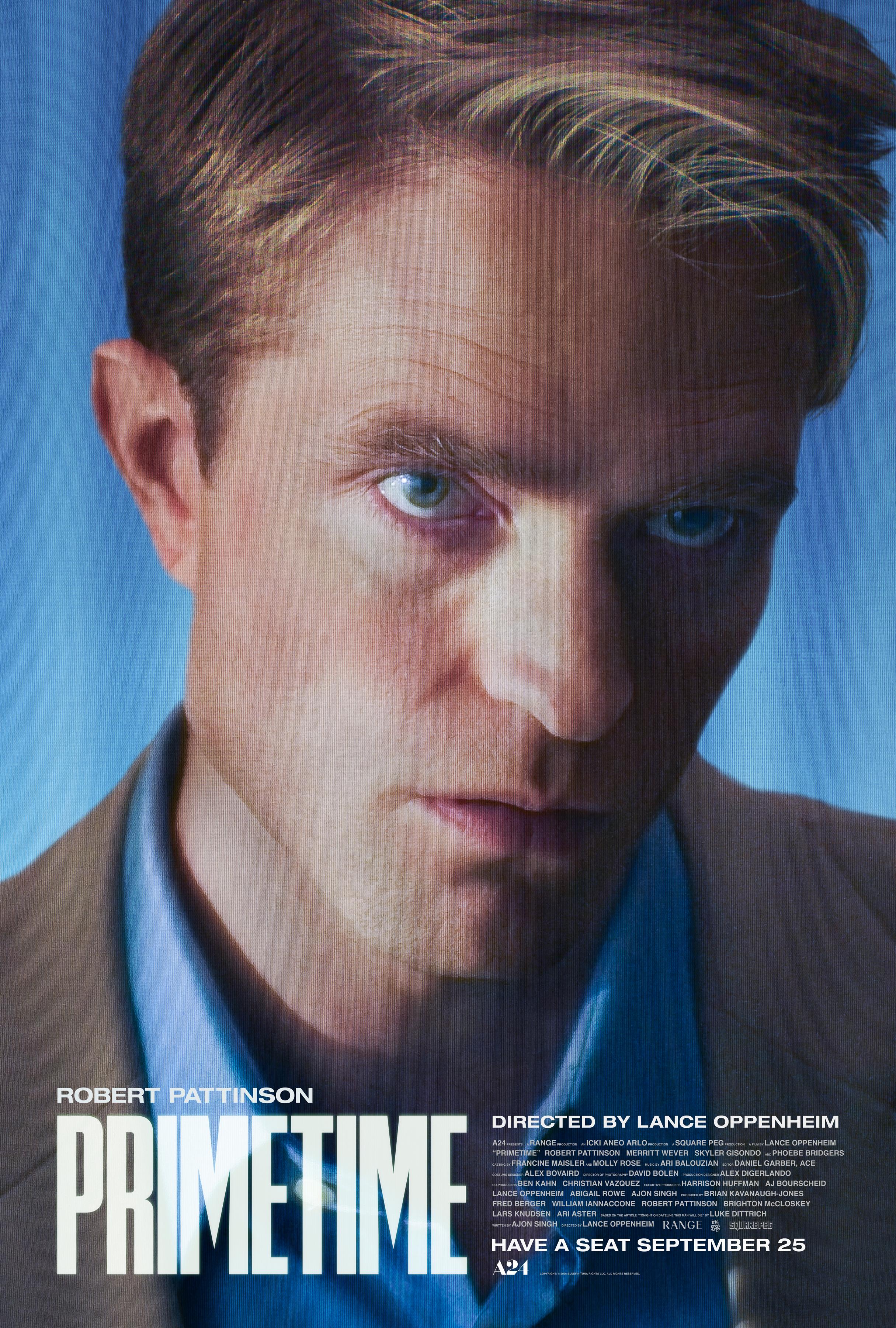
I think one of the reasons people see Chris Hansen (Robert Pattinson) as the villain is that he comes across as a bit of a psychopath. But Hansen is going through one of the most stressful periods of both his professional and personal life. To me, it seems natural that someone in that situation would experience more intense emotional ups and downs. When the difficulties in his personal life collide with the pressures of his work, I find it hard to judge his emotional breakdowns without considering the circumstances he's in. So, watching him in those moments didn't exactly make me think, "Wow, Chris Hansen is a complete psychopath." If anything, he felt more human to me. What I saw was someone struggling to deal with his emotions.
I also think Hansen is someone who experiences emotions intensely and is deeply affected by what others go through. The way he internalizes the story set in India, and the fact that he, like the little girl, begins seeing monsters, only reinforced this impression. Of course, none of this justifies everything he does, but it allows us to understand the character not only through his actions but also through his feelings.
Of course, To Catch a Predator is a highly controversial show when it comes to media ethics. As the film itself shows, the producers' motivations are largely driven by the desire to create successful entertainment. On the one hand, the show can be seen as serving a positive purpose by catching offenders and protecting children from them. On the other hand, turning that purpose into a form of entertainment makes the whole issue much more complicated. The fact that someone dies by suicide during the course of the show, and that the incident is broadcast, raises even more ethical questions about the methods being used.
For me, the important point is that the show's potential to produce positive outcomes doesn't automatically justify every method used to achieve them. At the same time, the fact that the show raises serious ethical concerns doesn't necessarily make Hansen an entirely ill-intentioned person. I found it much more interesting that, rather than trying to identify a real villain, I found it much more interesting to see the contradictions between people's intentions, their actions, and the circumstances they find themselves in.